Reverse Mortgage

Turn your home equity into financial flexibility.

Specialty program

Your equity, on your terms.

A reverse mortgage can help eligible homeowners access the equity they've built — without monthly mortgage payments.*

At a glance
  • No monthly mortgage payments required
  • You stay in your home as your primary residence
  • Available to homeowners 55+, depending on product and state (the FHA-insured HECM requires 62+)
  • FHA-insured and proprietary options
  • HUD-approved counseling included in the process
The two-minute version

What is a reverse mortgage — and is it right for you?

A reverse mortgage converts a portion of your home equity into cash or a line of credit, without requiring you to sell the home or take on a new monthly payment. Watch the short overview, then explore our two product options below.

What is a Reverse Mortgage? A 2-minute overview

HomeSafe Second

A fixed-rate second mortgage that lets you access equity with no change to your existing first lien and no additional monthly payment required. Keeps your current mortgage intact while unlocking liquidity from your equity position.

Reverse for Purchase (H4P)

Boost your home-buying power when downsizing, right-sizing, or relocating closer to family. Combine your down payment with the reverse mortgage to purchase your next home with no monthly mortgage payments.
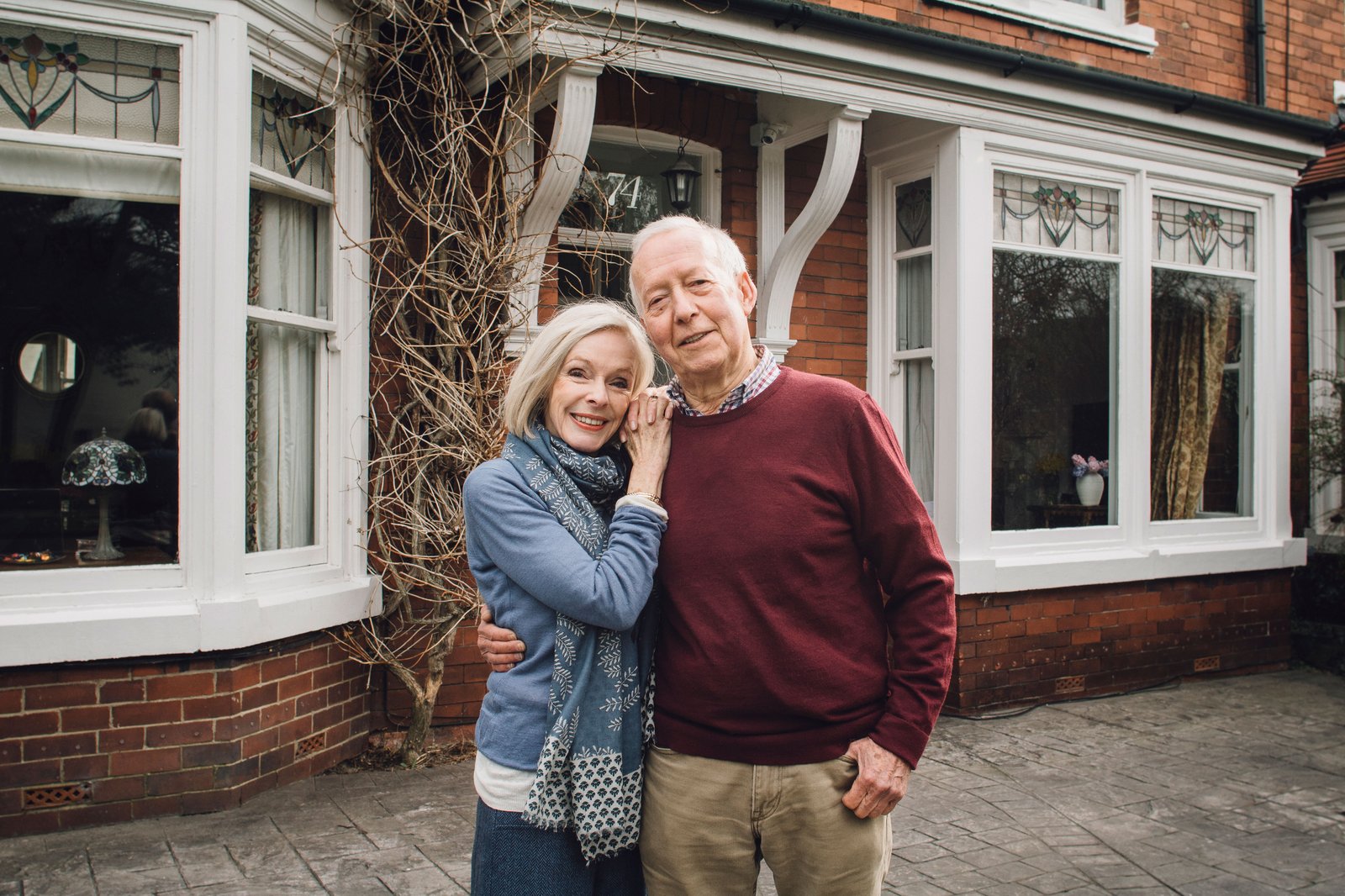
Senior couple at home — homeowners 55+ exploring options to use their equity
The mechanics

How a reverse mortgage works.

  • You don't make monthly mortgage payments. The loan balance accrues with interest and is settled when you sell the home, move out permanently, or no longer use it as your primary residence.
  • You still pay your property taxes, insurance, and other property charges — and maintain the home in reasonable condition.
  • You continue to live in the house as your primary residence.
  • The balance accrues with interest over time, which gradually reduces your remaining home equity.
Common questions

Asked and answered.

Can I apply for a reverse mortgage?

Reverse mortgages are exclusively available to homeowners 55 and older, though some states or product types require you to be 60 or 62. Your home must be your primary residence and meet the program's property requirements.

How much do I qualify for?

The amount you can access depends on several factors:

  • Your age (or the age of the youngest spouse on title)
  • Your home's appraised value
  • The state where your home is located
  • The product and disbursement option you choose
  • Current interest rates

Karl can run the numbers for your specific situation in a 15-minute call — see contact info below.

What's the process for getting a reverse mortgage?

  1. Education. A licensed originator assesses your needs and walks you through how the product works for your situation.
  2. HUD-Approved Counseling. Independent third-party counseling — required by federal law — to confirm the product is right for you.
  3. Application. Standard paperwork and financial documentation, much like a traditional mortgage.
  4. Processing & Appraisal. We order the home appraisal and underwrite the file.
  5. Closing. Final documents signed; any existing mortgages are paid off from your reverse mortgage proceeds.
Active retirement couple kayaking — the lifestyle freedom reverse mortgage proceeds can support
Karl Kuhn
Talk to our reverse mortgage specialist

Karl Kuhn

Reverse Mortgage Specialist NMLS #169902

Karl has spent his career helping homeowners 55+ understand reverse mortgages — what fits, what doesn't, and what they often wish they'd known earlier. Schedule a no-pressure 15-minute call to walk through your situation.

Quick inquiry

Prefer to write first?

Share a bit about your situation and Karl will reach out within one business day.

Important disclosures
  • * Borrowers must continue to pay property taxes, homeowner's insurance, and maintain the home in reasonable condition. Failure to meet these obligations may result in default and foreclosure.
  • A reverse mortgage is a loan that allows homeowners to convert home equity into cash. The loan balance increases over time and reduces home equity.
  • The loan becomes due when the borrower sells the home, moves out permanently, or fails to meet loan obligations.
  • A HUD-approved counseling session is required before closing.
  • A reverse mortgage is not a government benefit or grant. Reverse mortgages offered under the HECM program are insured by the Federal Housing Administration.
  • These materials are not approved by HUD or any other government agency. Consult a financial or tax advisor before deciding whether a reverse mortgage is right for you.
  • Age requirements vary by product and state — 55 is the minimum in some markets; others require 60 or 62.